Modern echoes NY
Luciana Levinton
Exhibition Text for Modern Echoes, NY.
Josefina Barcia, May 19, 2025
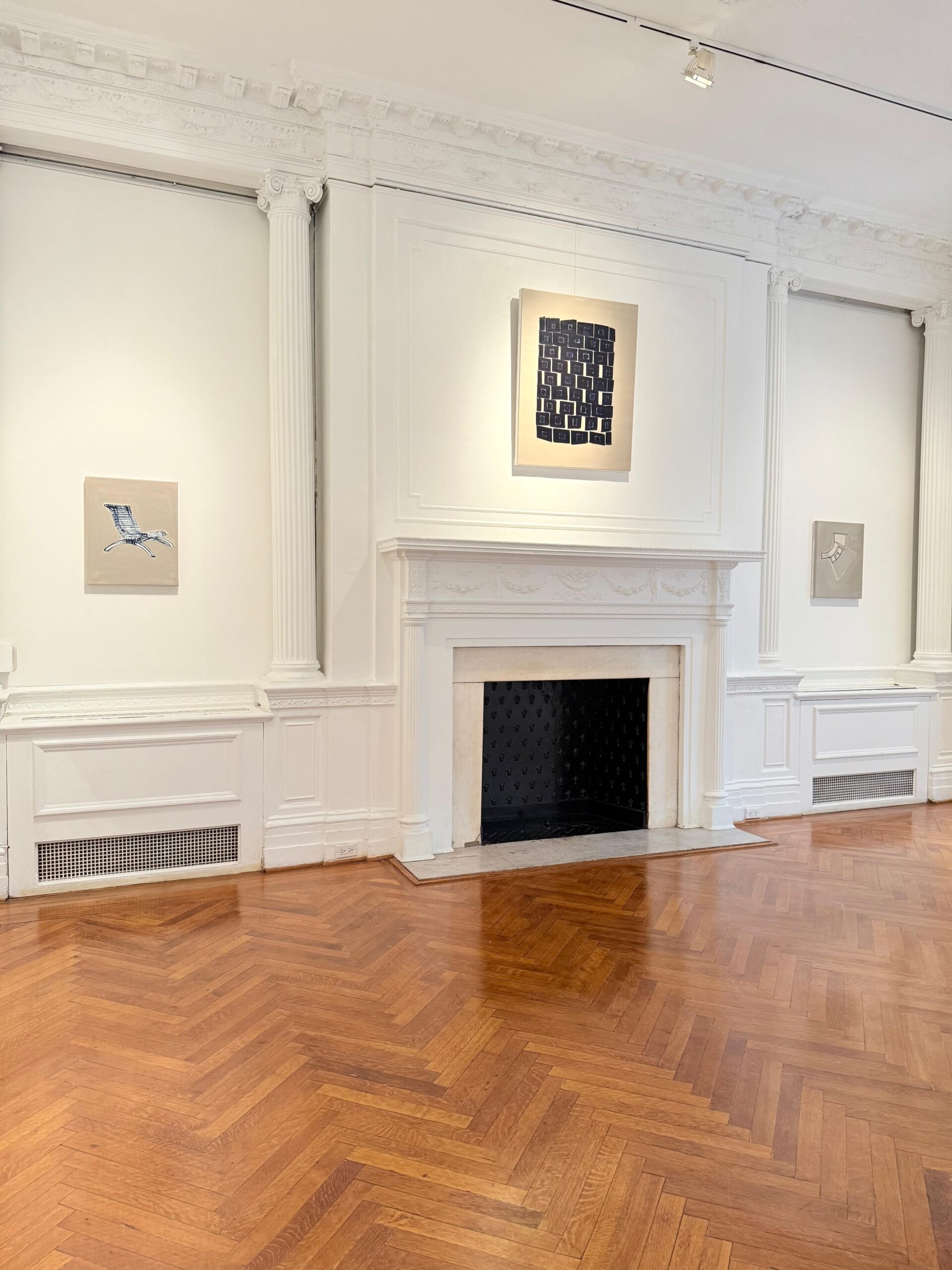
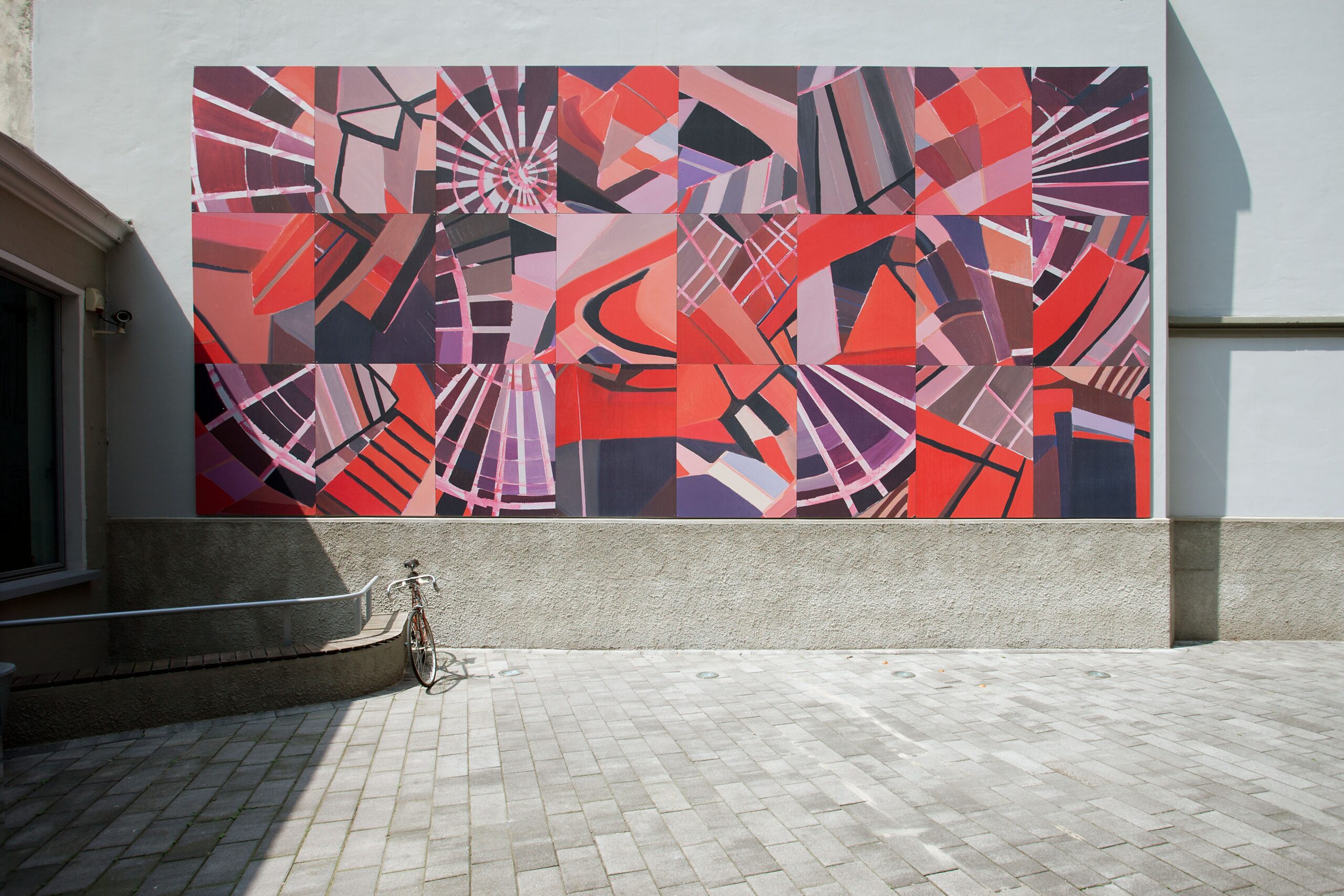
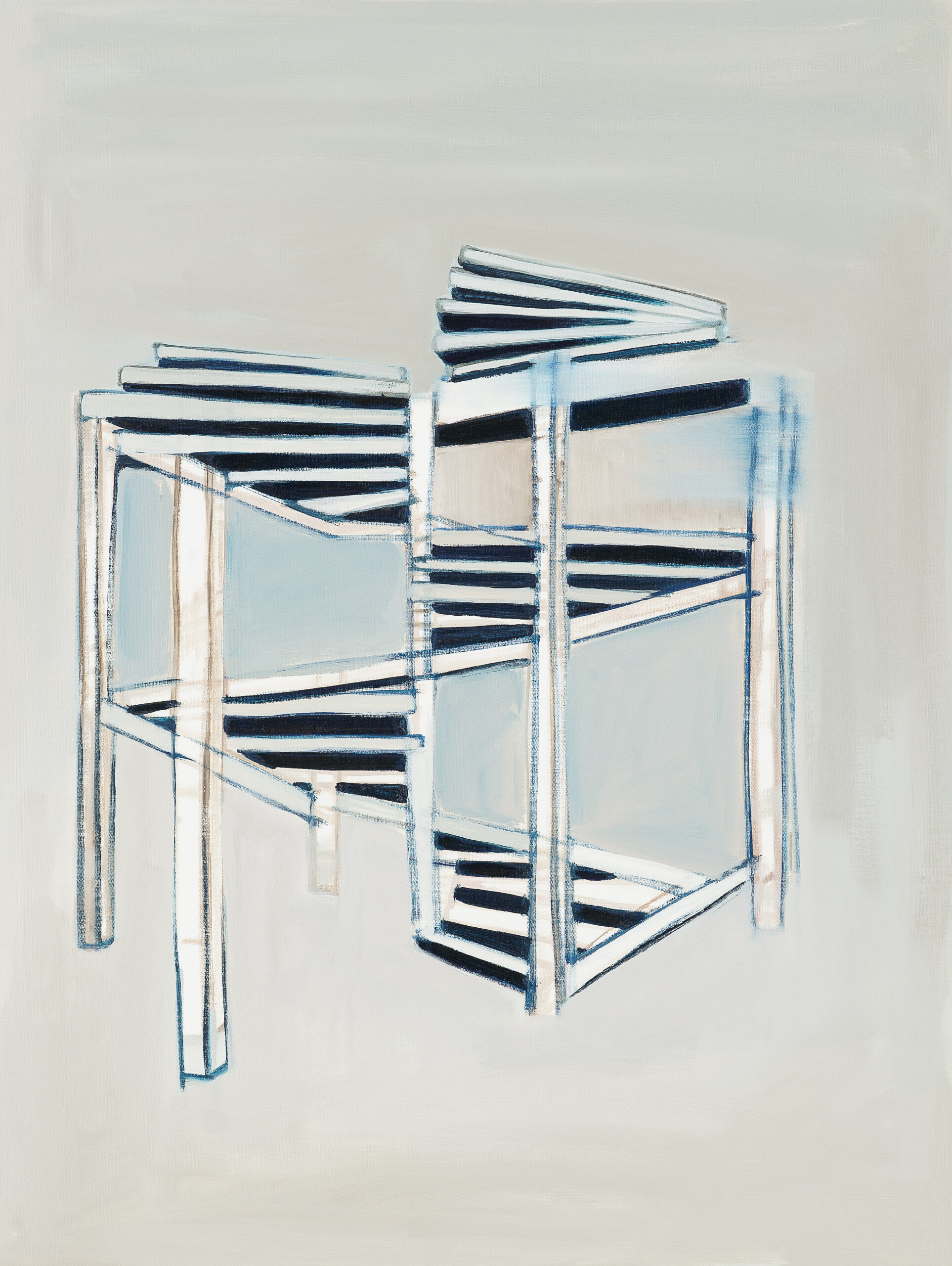
Luciana Levinton is an architect whose mode of construction begins in deconstruction. She starts by selecting buildings, furniture, and modern architecture projects, which she approaches with adoration. She collects them, studies, and archives them, and then turns them into paintings. Like a devoted fan bent on slaying her idol, her love of form drives her to raid and chop these giants of architectural history. This she does, not with the intention of demolishing but of saving and appropriating her favorite parts. In the past, she has judiciously spotlighted the names of pioneering women architects within a modernity dominated by men who, wittingly or unwittingly, filled everything with a cement- and concrete-based manhood. Yet, despite this disparity, modernity in architecture, as part of a social project that also welcomes the other arts, embraced a promise of freedom which took on specific forms of its own in Latin America.
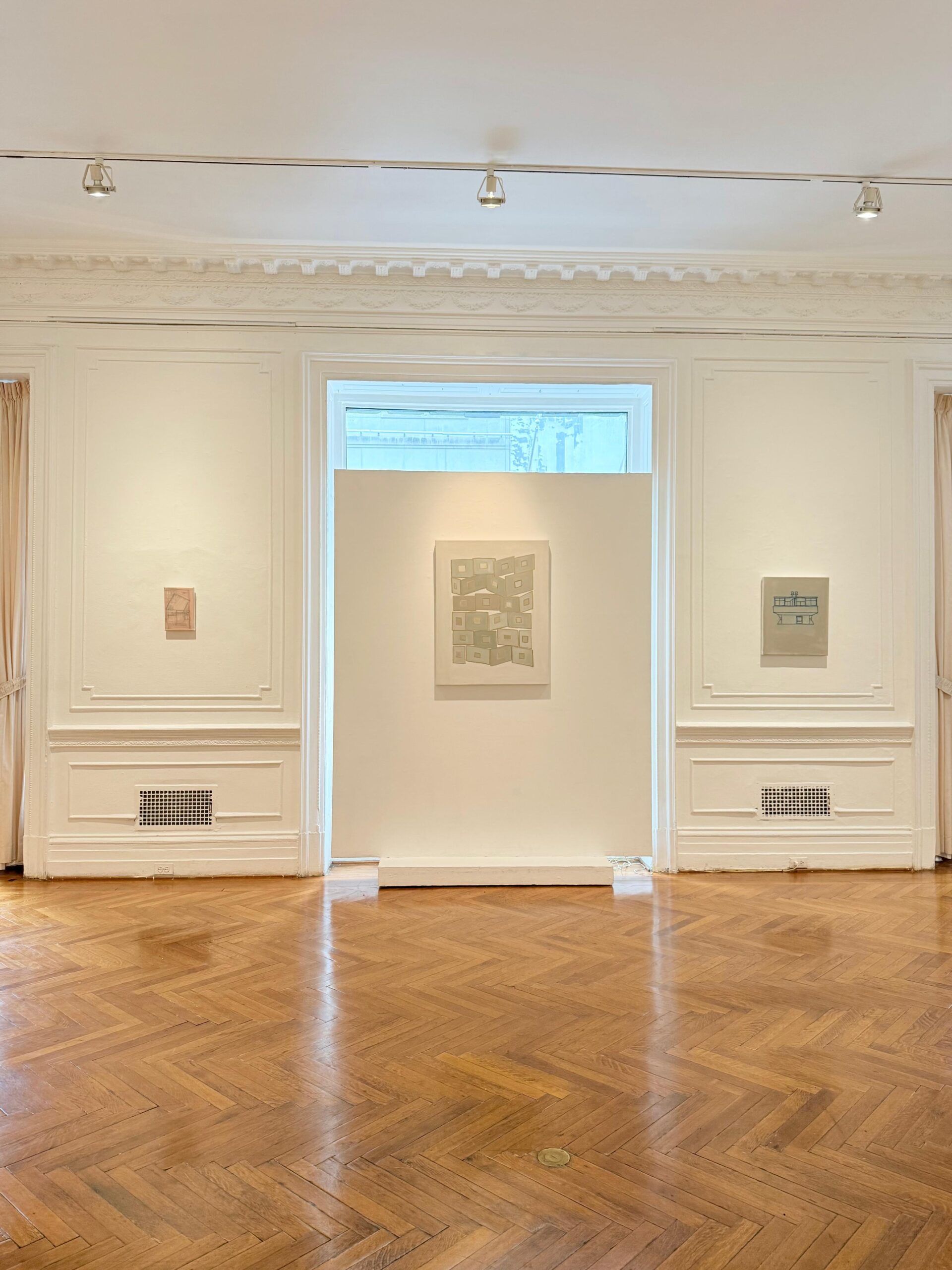
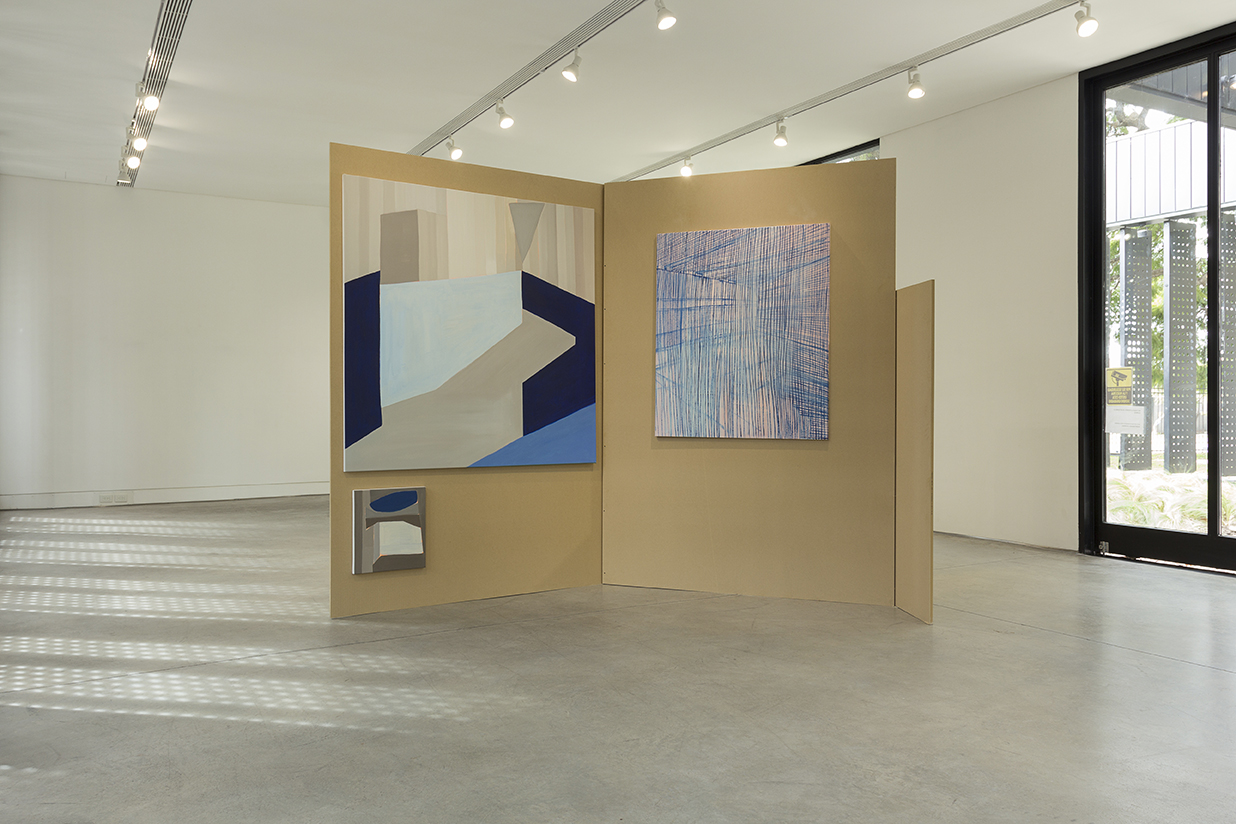
The concept of the ‘free plan’, popularized by Le Corbusier, exemplifies this pursuit of formal freedom. The free plan allowed interior walls to break free of their load-bearing function and did away with the need for the rigid ordering of vertical structures to make way for more open layouts. The buildings chosen by Levinton—La Casa del Puente [The Bridge House], in Mar del Plata (now called La casa sobre el arroyo [The House on the Stream]), an Amancio and Delfina Williams project, or La casa de vidrio [The Glass House], in São Paulo, by Lina Bo Bardi—all reflect this spatial emancipation. These works invert our expectations: what is usually above is below; walls are mainly made of glass; exteriors merges with interiors. Another major change introduced by modern architects is light. Light is no longer a question of openings but of ribbon windows; walls lose their preeminence or become translucent; boundaries become blurred; and the integration of spaces takes priority over the notion of the compartmentalized home. Purist décor aligns with the architecture to suggest a new kind of domesticity; structural elements no longer exist for solely practical purposes but are openly displayed to expose their morphology.
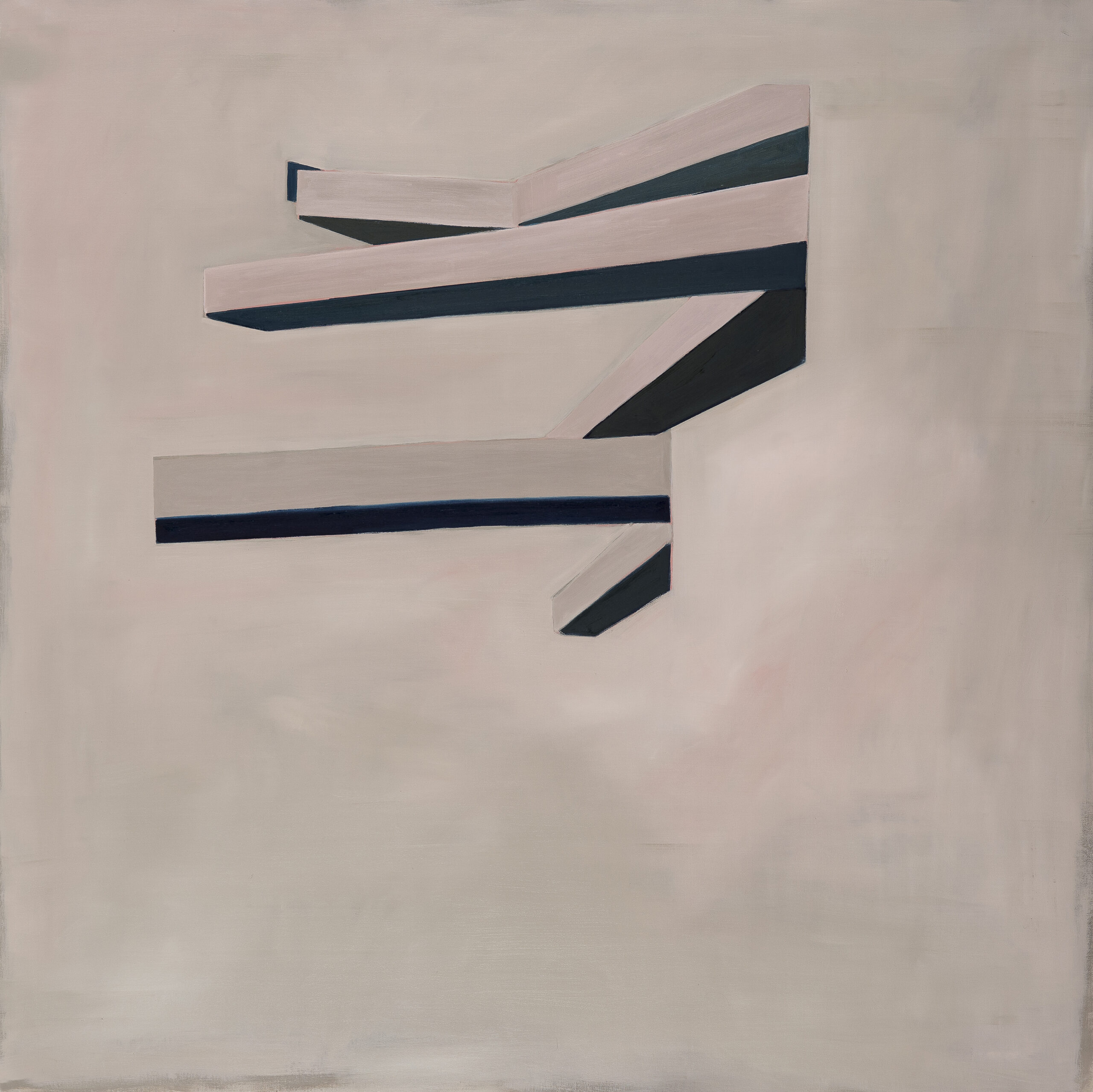
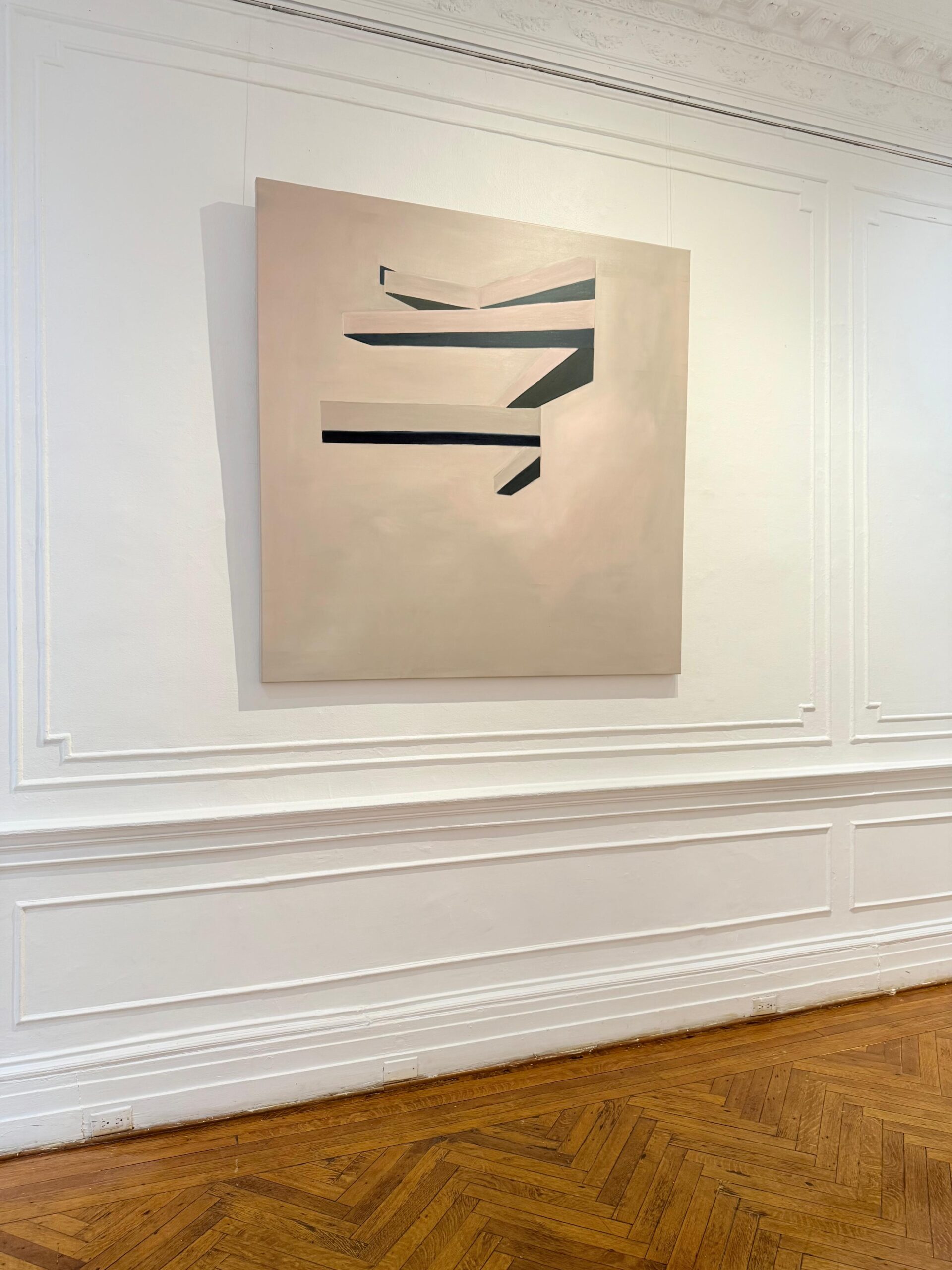
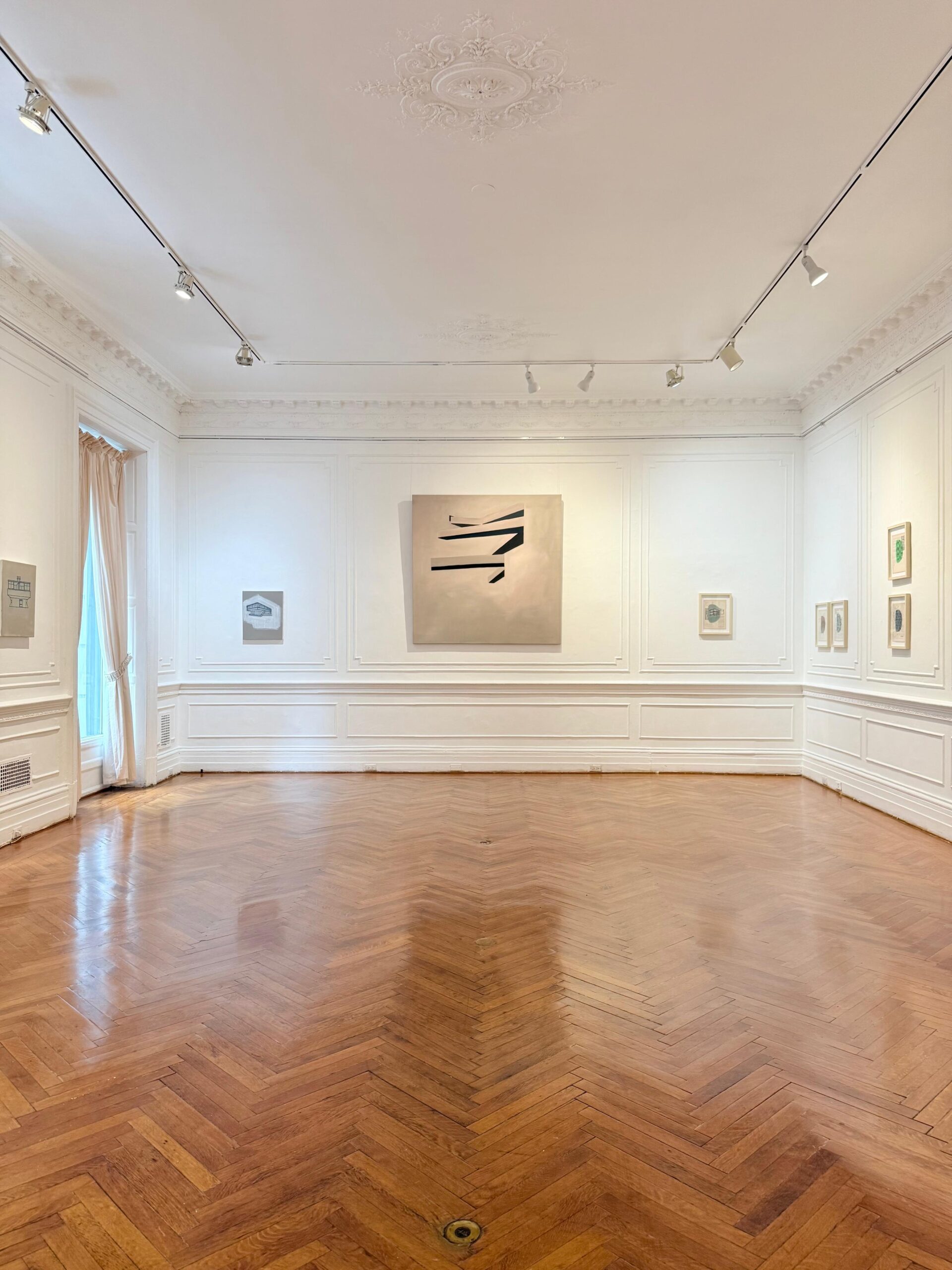
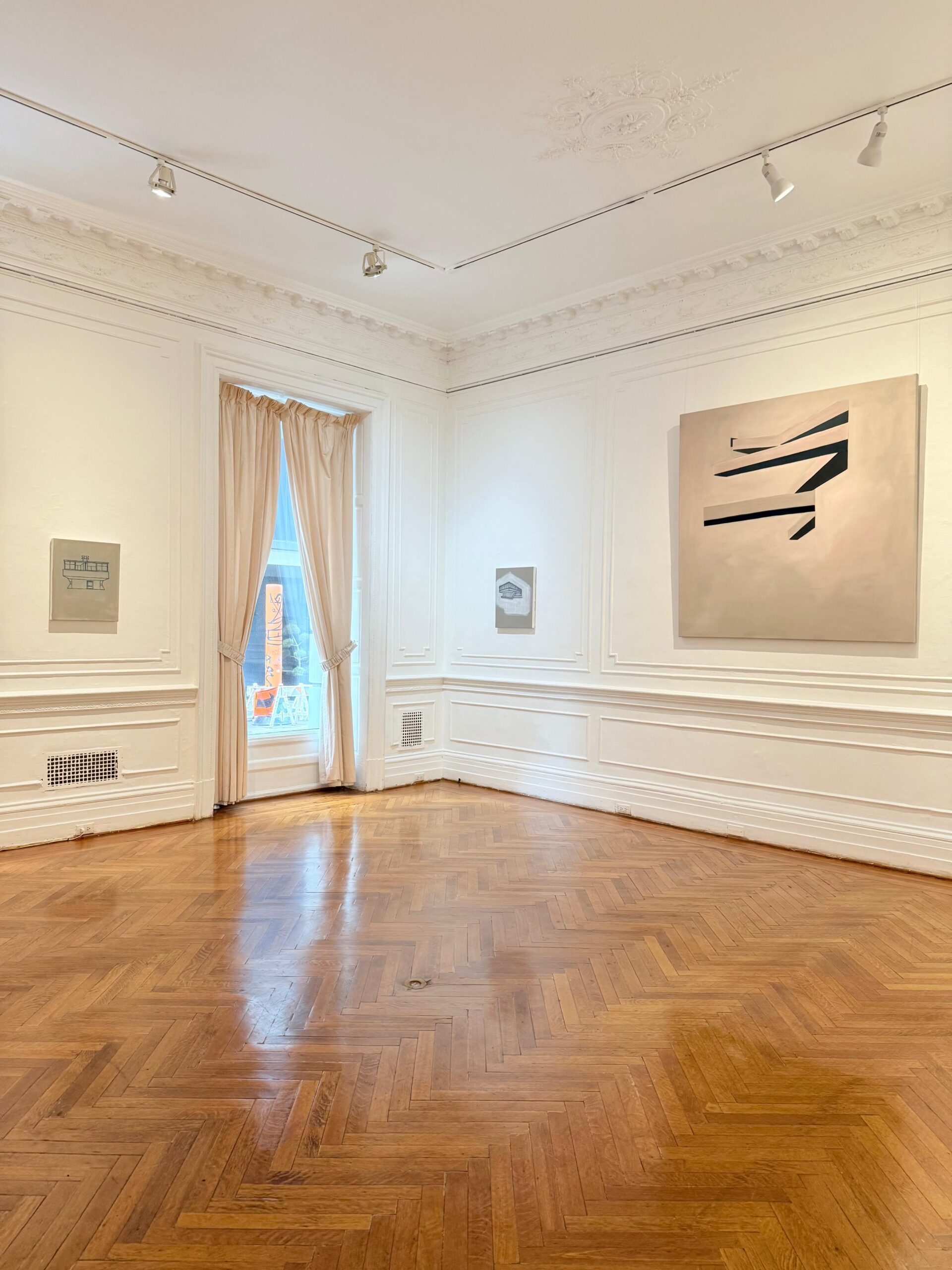
In the series of SESC Pompéia paintings, for example, Levinton isolates the beams connecting different parts of the building and depicts them suspended, floating, and freed from the parts they seem to connect. By abstracting them, she lightens them and presents them as bridges to nowhere. If we think of the idea of the bridge as a connector between two points, we might ask from where to where; but Levinton’s focus is on the space of transit between them. By isolating the forms, she turns them into connecting presences outside of time, like icons which she venerates with care.
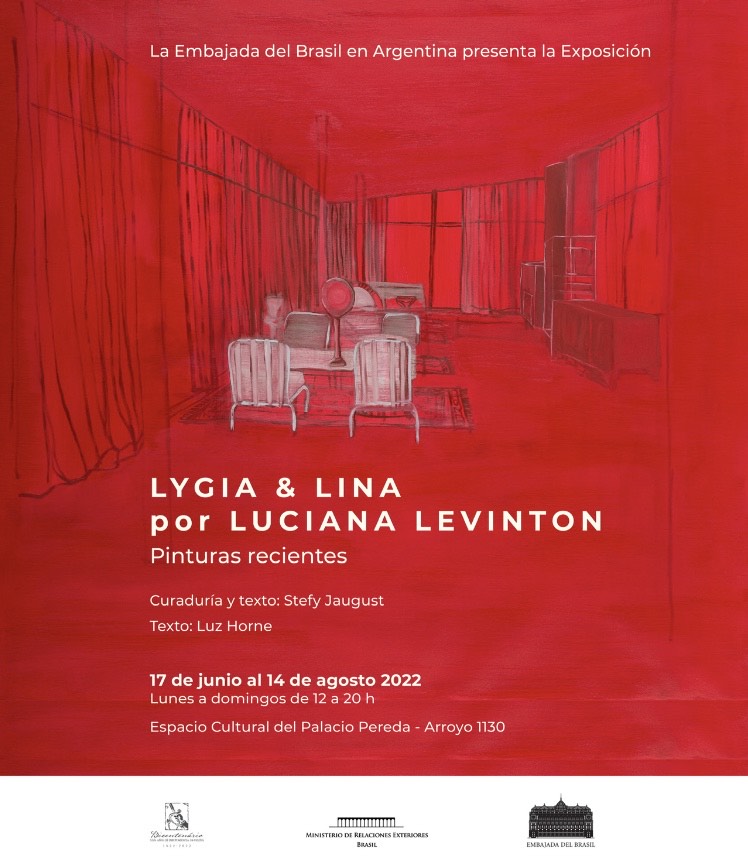
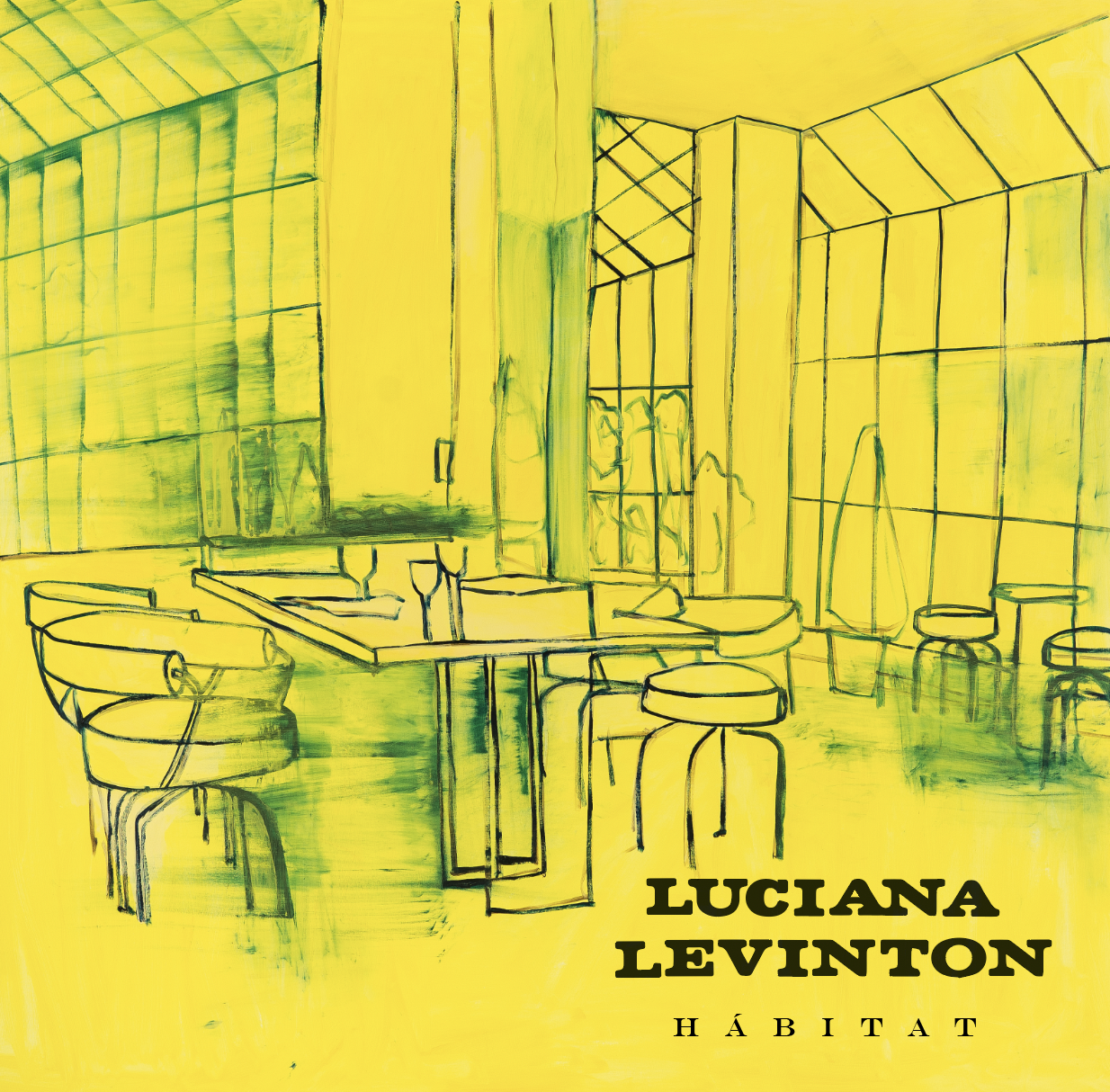
Among many other things, modernity is associated with progress, longed-for progress that jettisons the past to achieve a better result, a product of evolution. The moderns believed tomorrow was better. We, on the other hand, are living in a time when the future feels anything but promising and is, indeed, quite simply terrifying. The architectures Levinton selects have a historical and aesthetic rigor that honors the rational; unlike the moderns, however, Levinton romanticizes it. Her paintings and drawings humanize what is minimal in geometric forms, the balance of symmetries achieved by contrasting fullnesses and voids, opacities and transparencies. There is an interpretation that prioritizes the original creators’ dreams over rigor. Her drawings and sketches of such colossal projects as Les Arcs, by Charlotte Perriand, contain a sense of melancholy and a recovery of pleasure in form. Levinton adopts the modern gesture of making the impossible evident, like suspending a concrete giant in mid-air. Yet, in the act of appropriating it, she demystifies, or rather, remystifies it. This process of constructing from what is deconstructed involves her drawing plans, interiors, and façades of buildings floating in mid-air, like portraits of old friends she is remembering with candor and even affection.
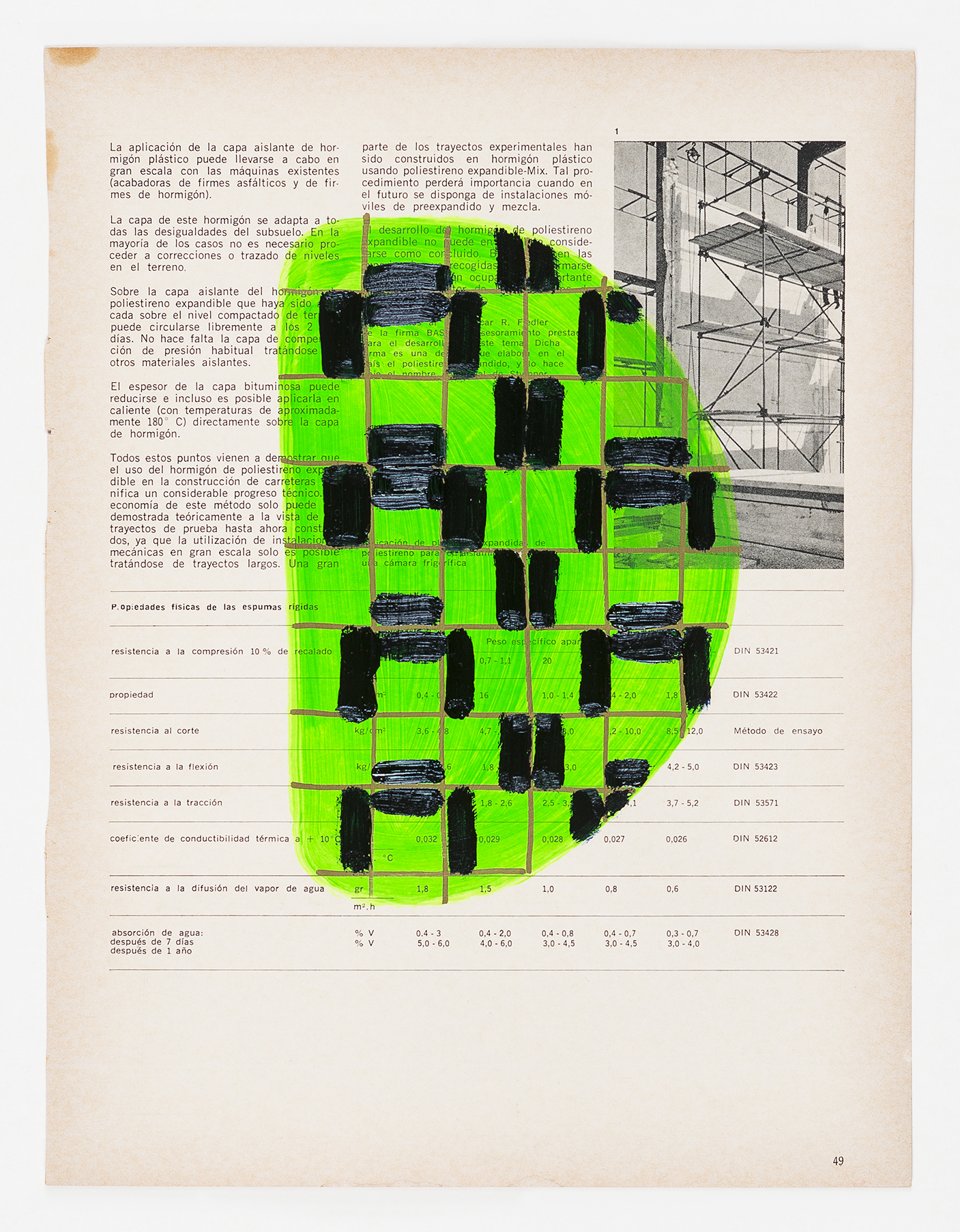
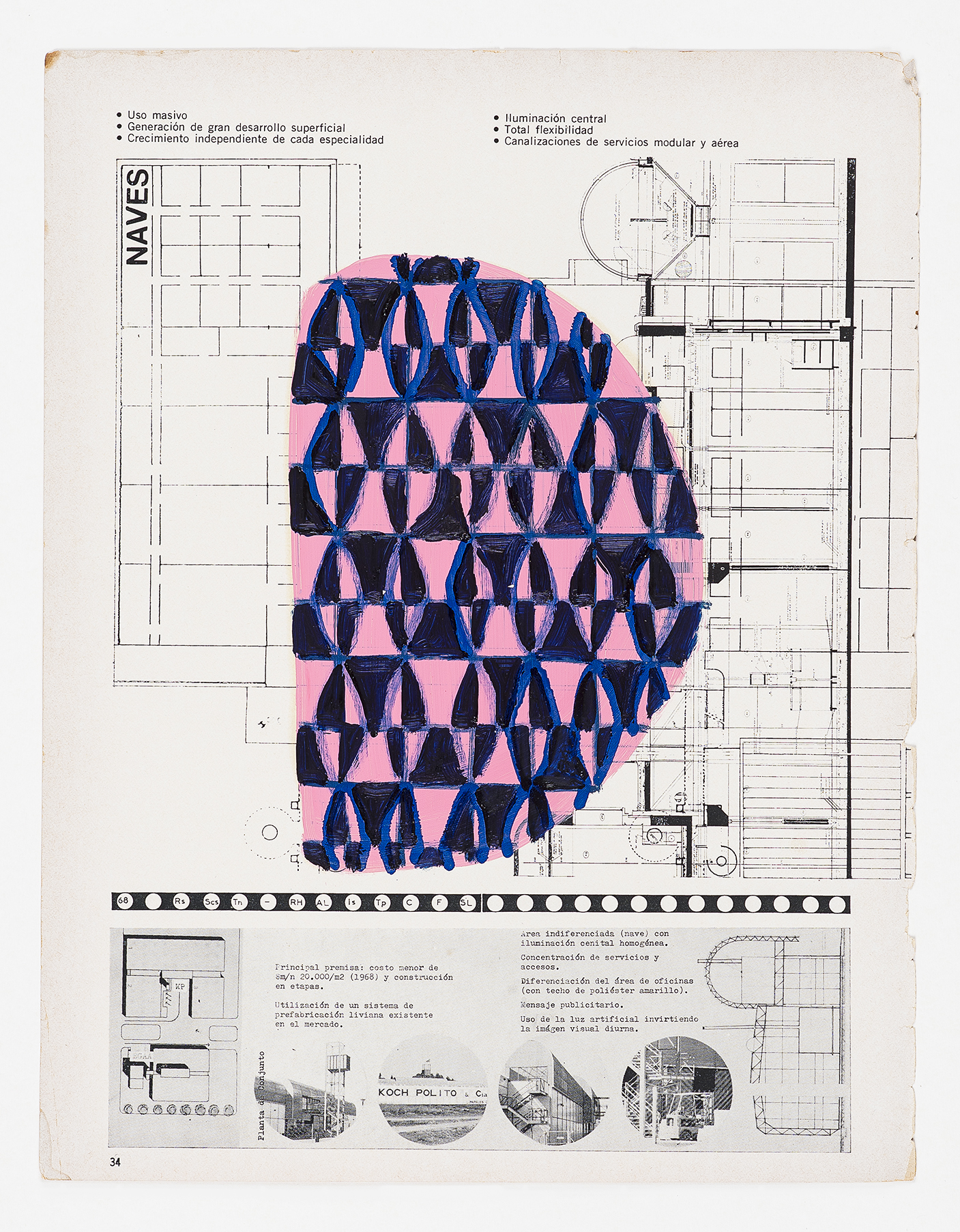
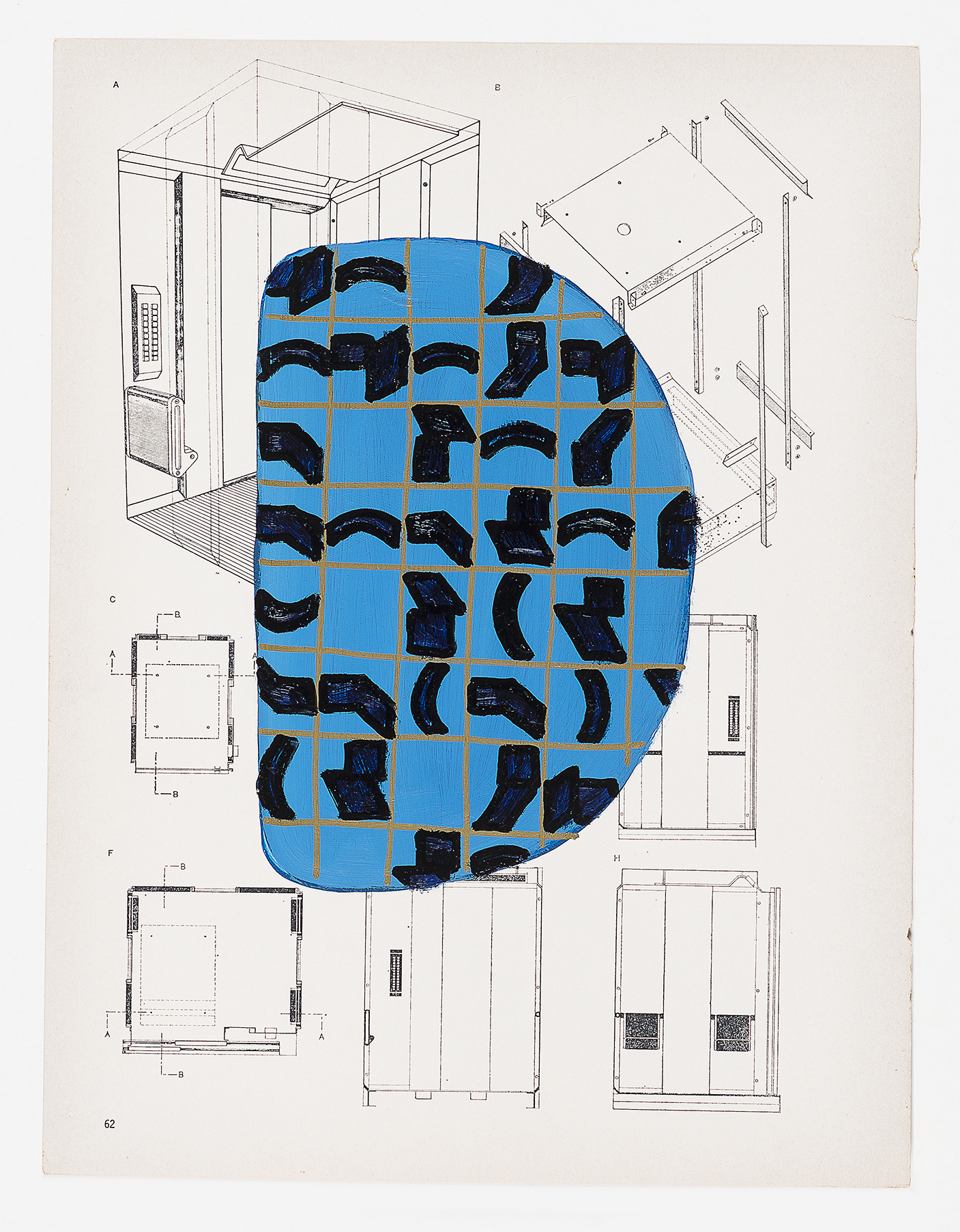
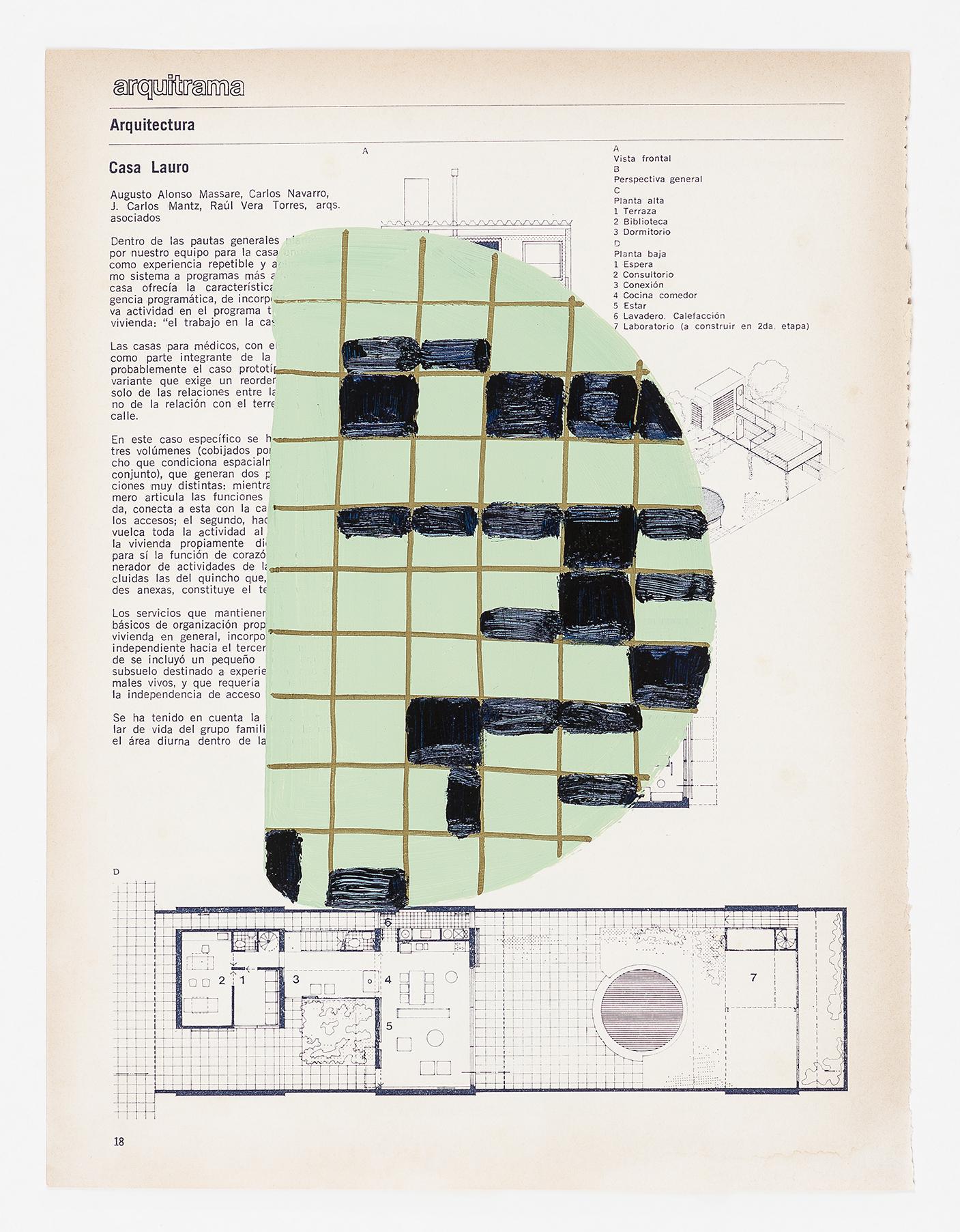
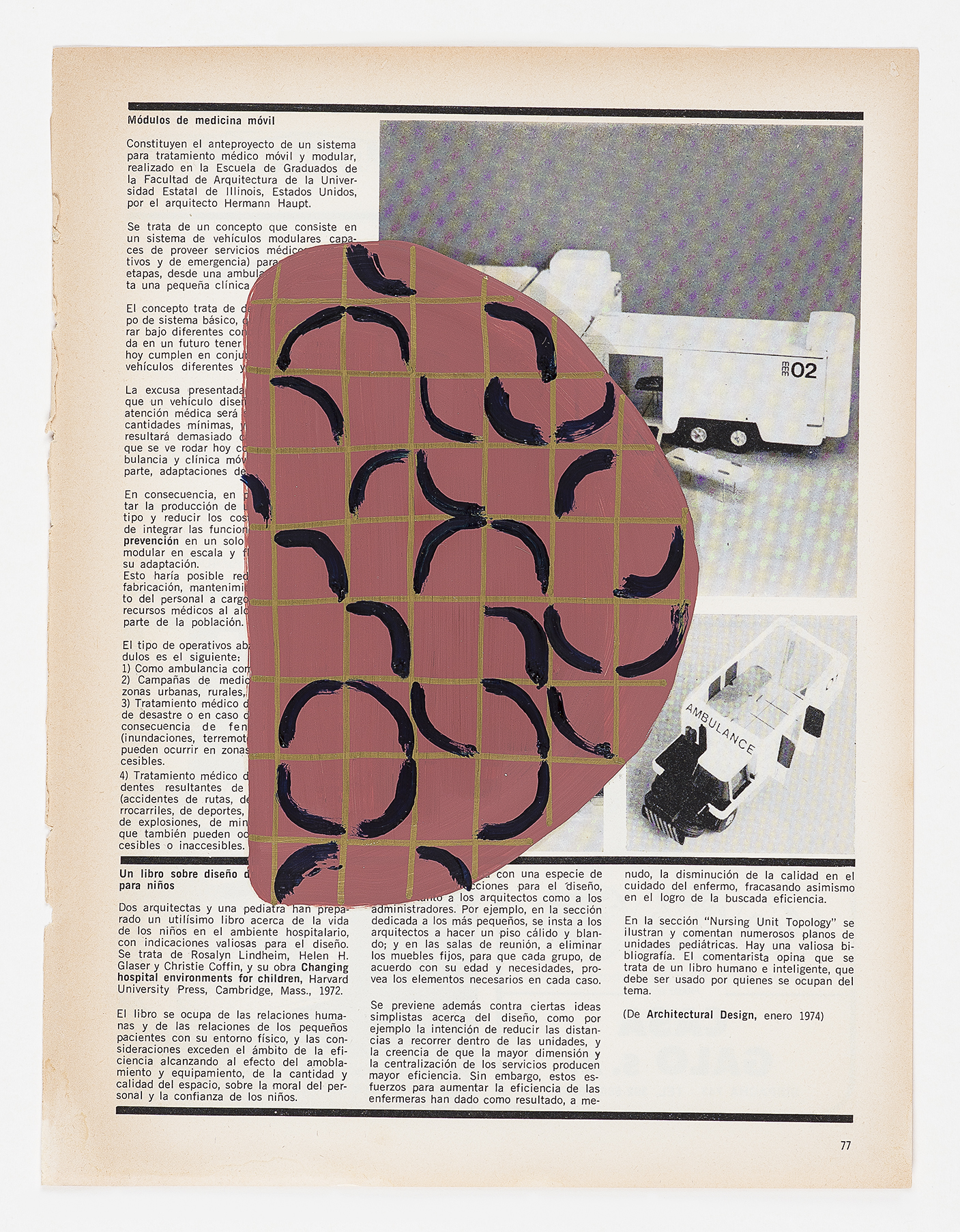
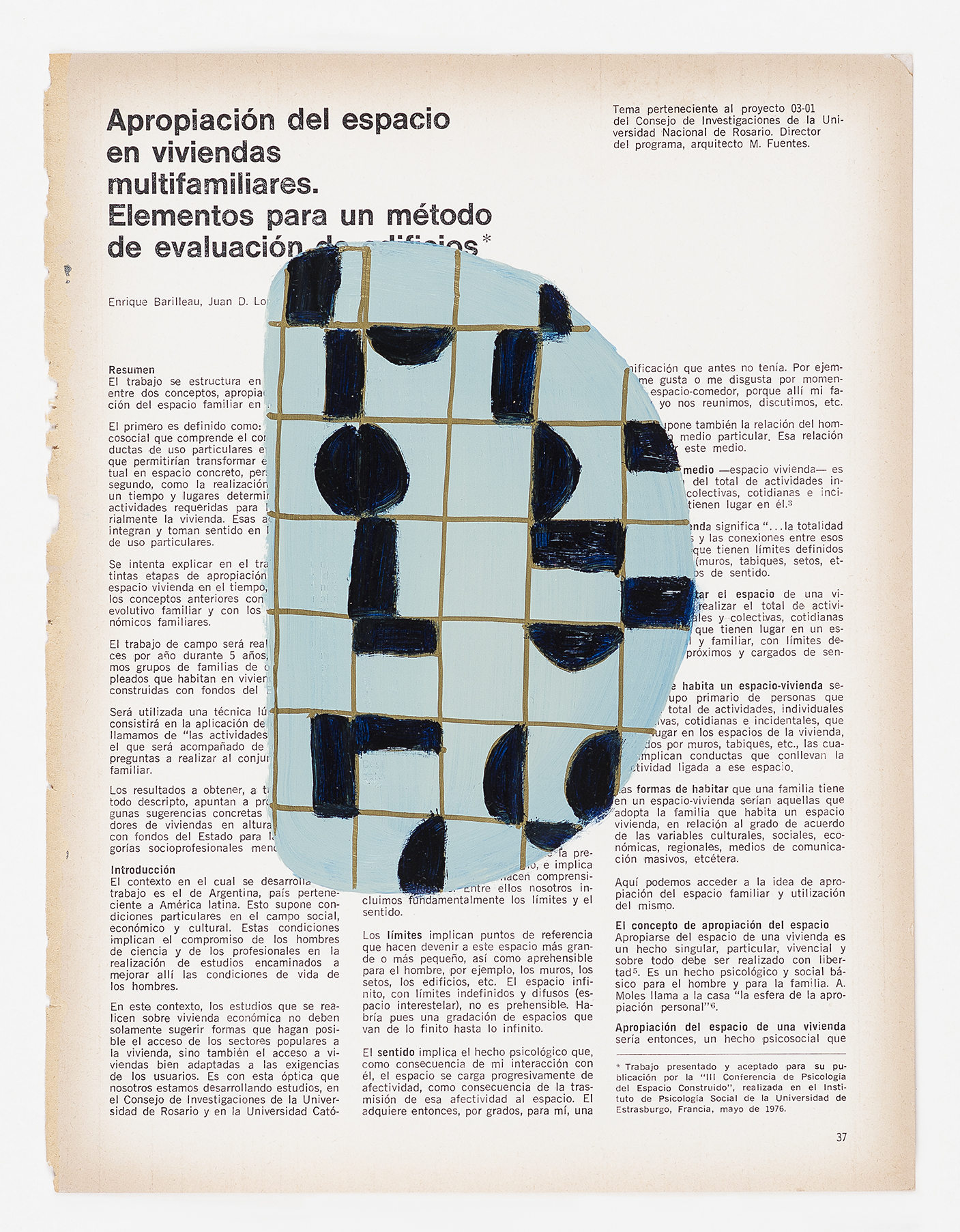
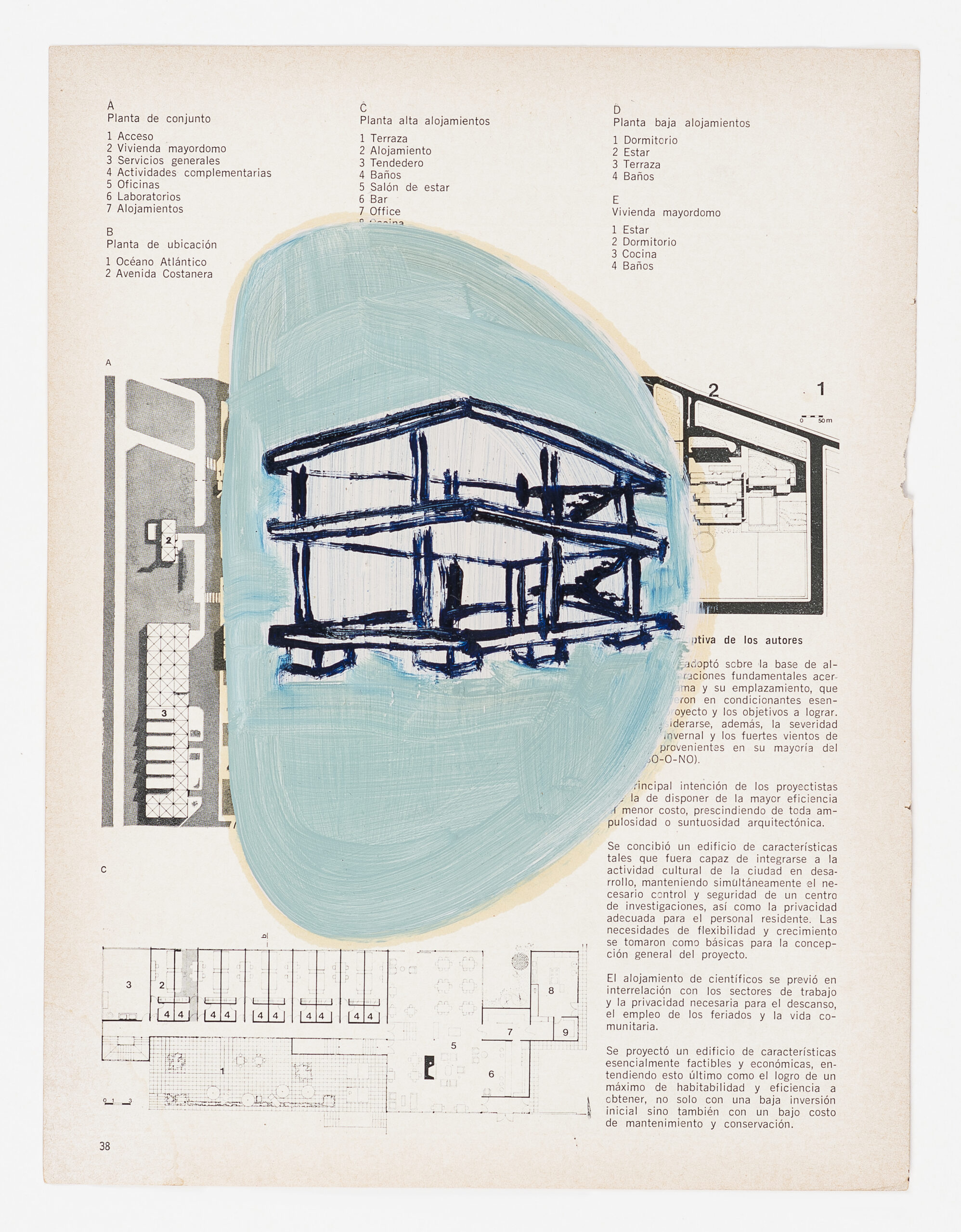
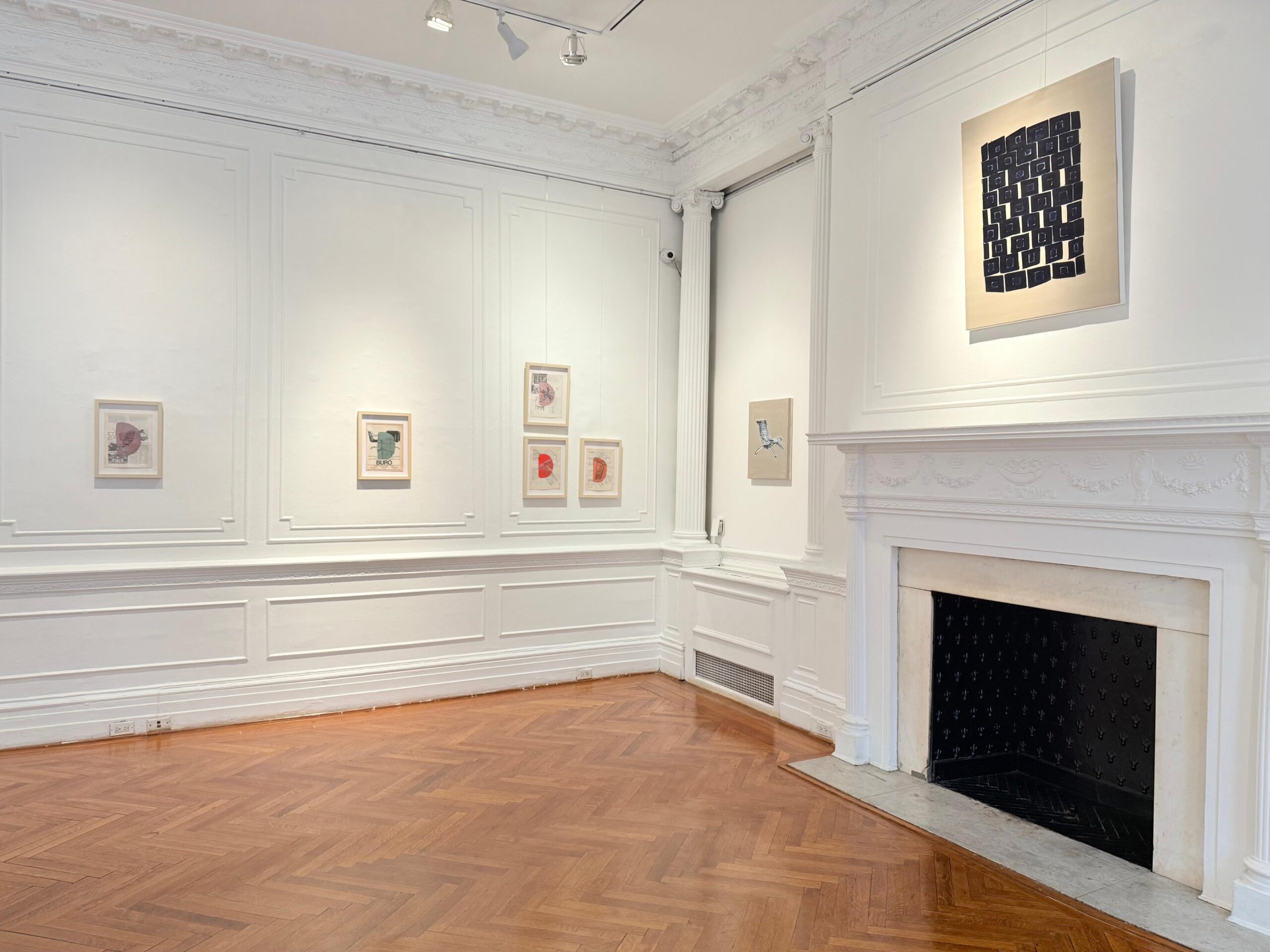
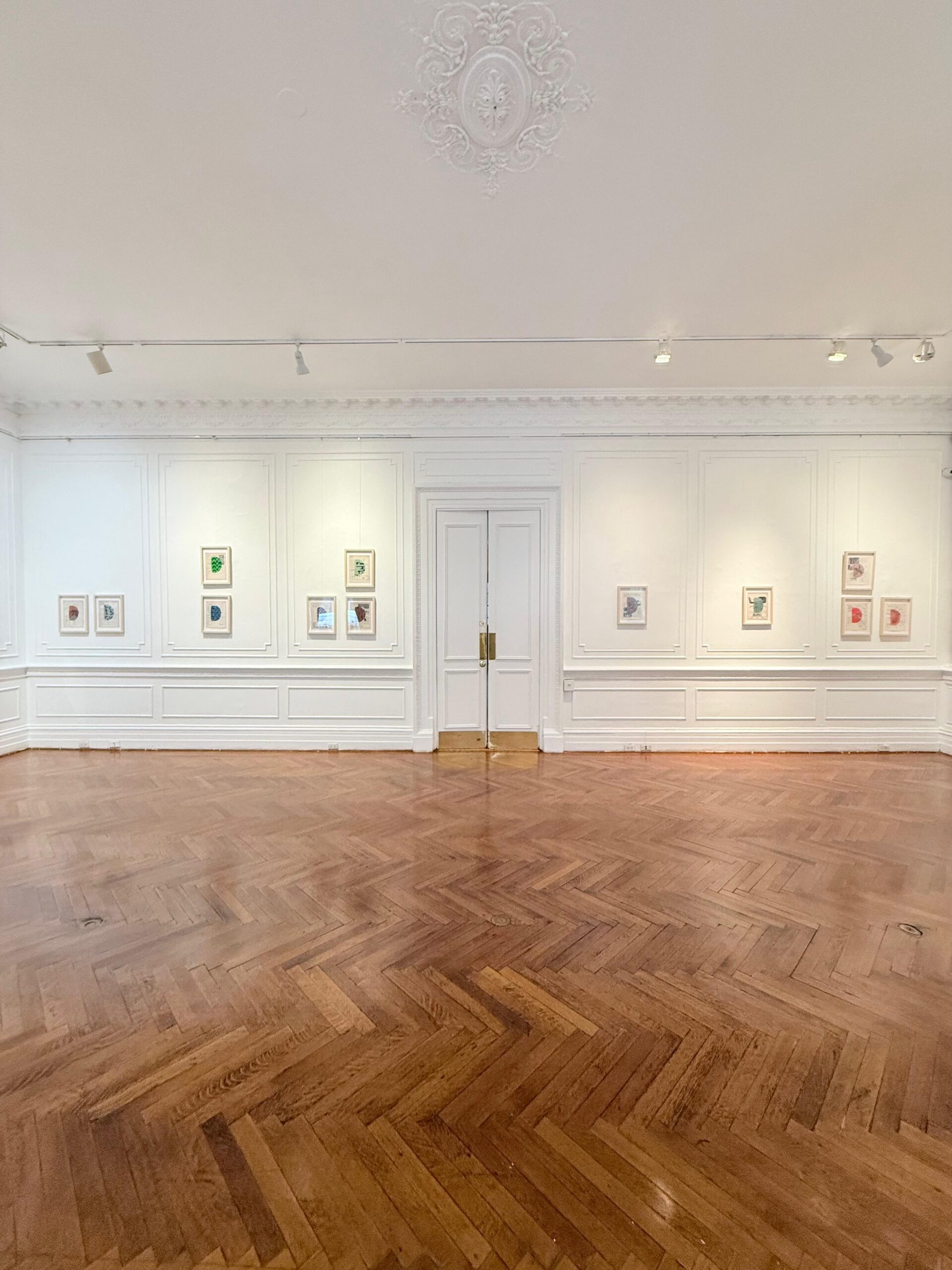
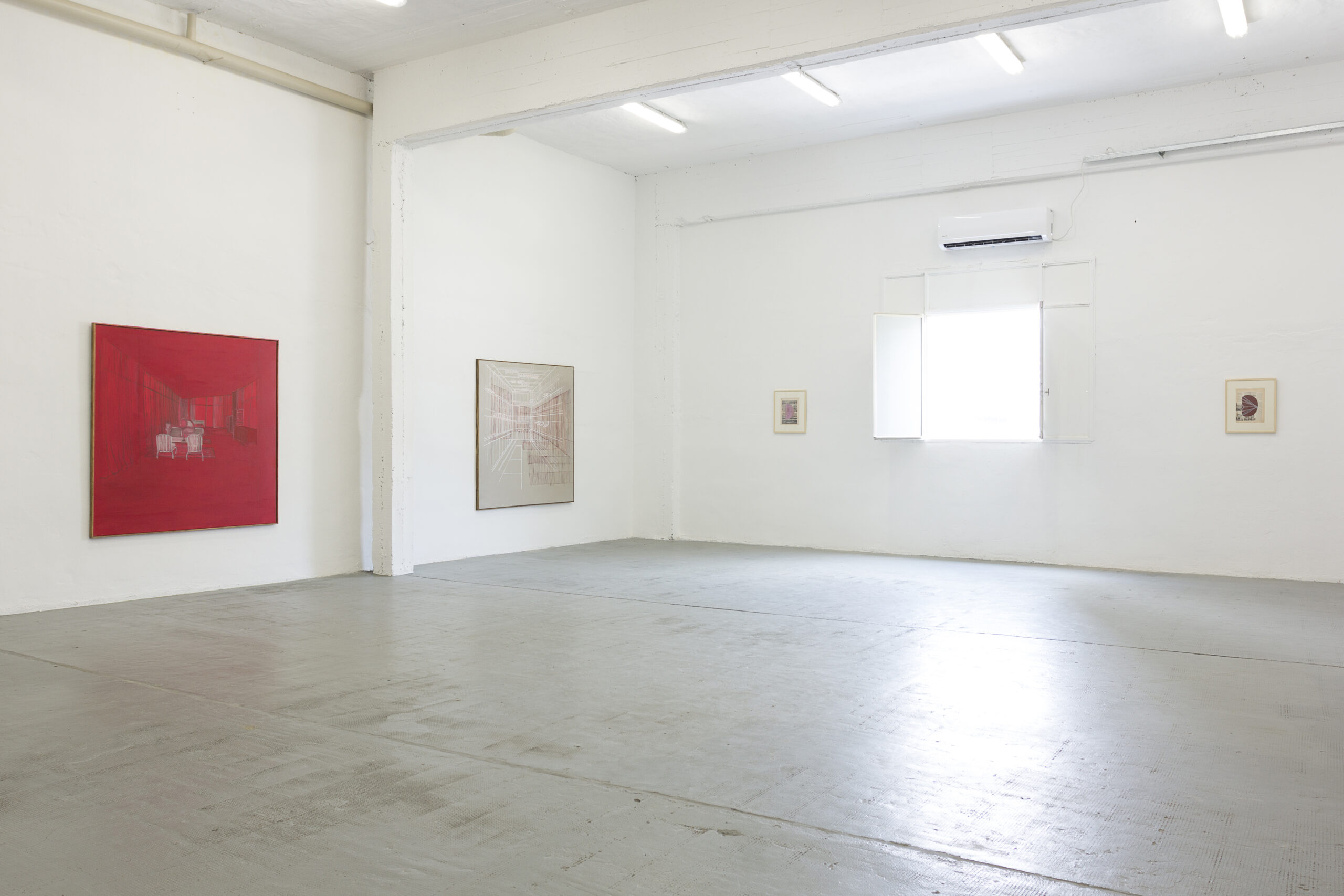
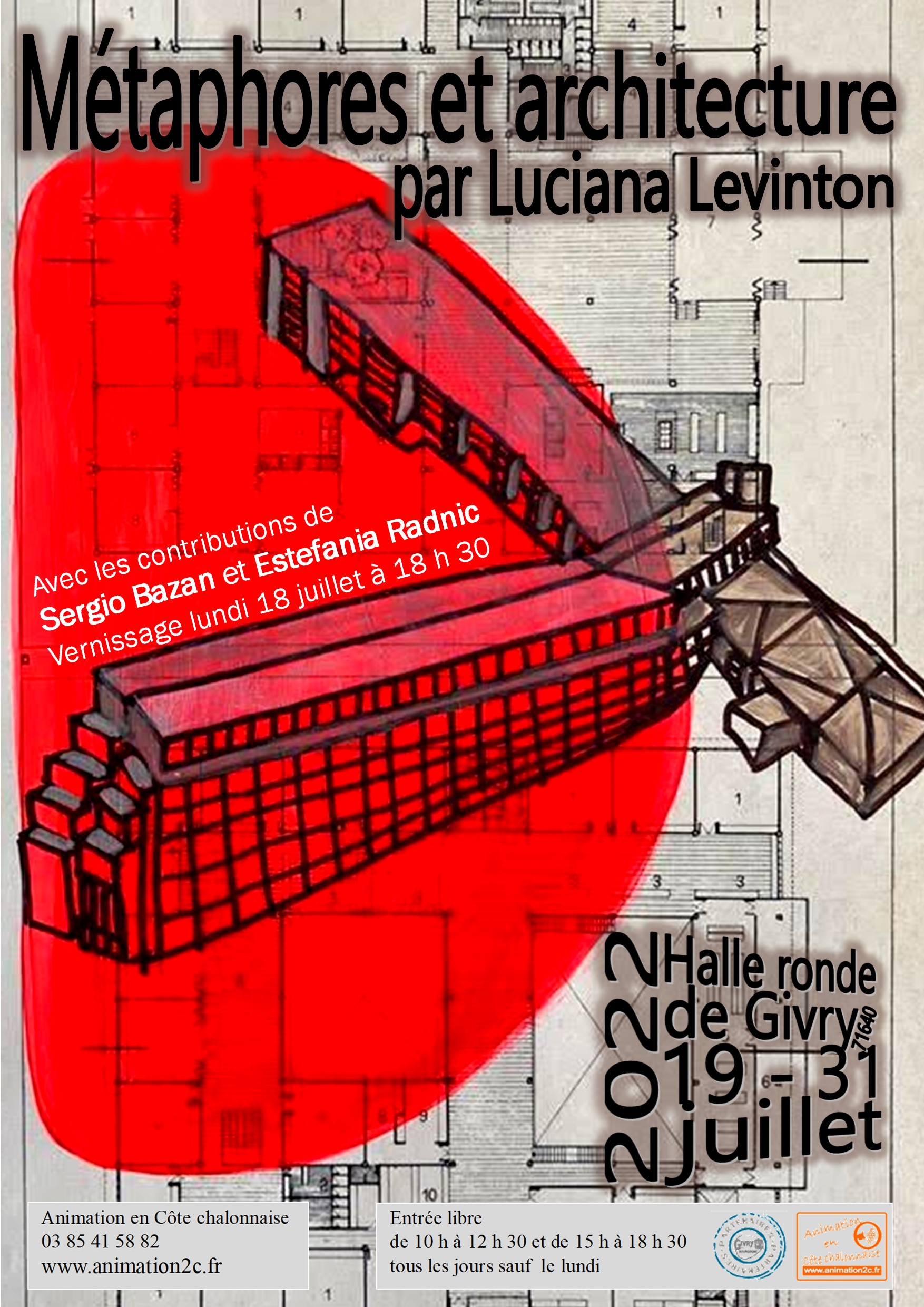
But Levinton is no part of a naïve fandom. In the Summa magazine series, she uses pages from the magazine as grounds and paints over the text. Today a relic of architectural history, this publication was, from 1963 to 1992, the principal source of architectural news trickling into Argentina. Summa was the validation, novelty, and written word that justified the hows and whys of those foreign avant-garde projects. In terms of content, the magazine both narrowed and, at the same time, marked the geographical and temporal distances from the major European centers. Levinton tells me that, when researching, she discovered that many of the architects who migrated from post-war Europe to Latin America found a vast territory, ideal for realizing projects that would never have seen the light of day in the Old World. Consequently, and because any innovations arrived belatedly in Argentina through Summa magazine, architectural modernity in Latin America was a late developer. Its ventures were nevertheless remarkable for their immense scale: the Niterói Contemporary Art Museum, for example, or the urban planning of the Brazilian capital, Brasilia.
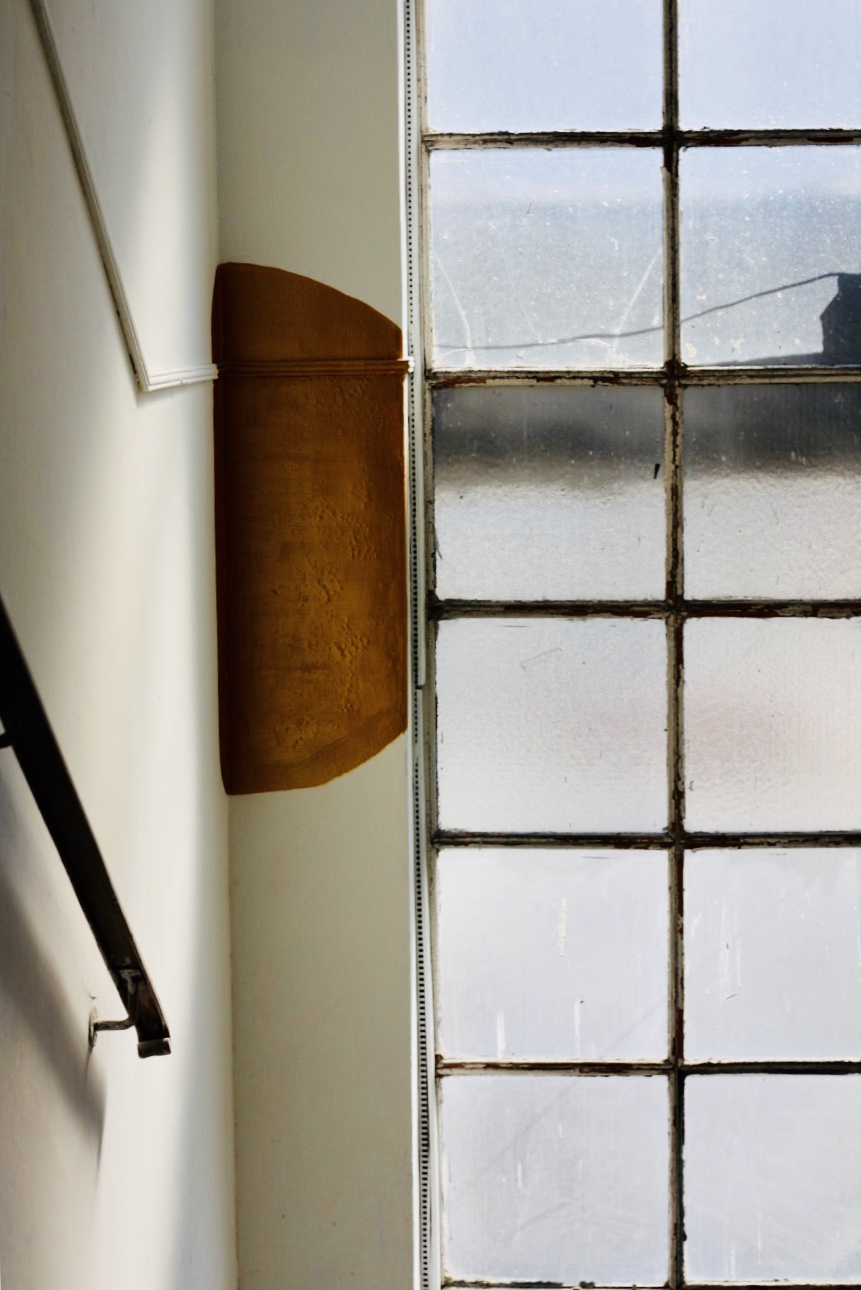
That change of scale becomes evident in the drawings invading the texts that laid the foundations for the concretion of these buildings. Levinton softens the authority of the text. She separates its pages, sometimes playing with the preexisting ground plans printed on them or extending lines and forming her own designs. The container for her paintings is always the same: a semi-ovoid ‘cartouche’, soft and asymmetrical, like a viewing lens, that stands in contrast to the rigidness of the text. The narrative register becomes visual, and the visual force of her paintings repeatedly insists on intruding in the texts like some epidemic of playful parasites feeding on the authority of their architectural discourse.
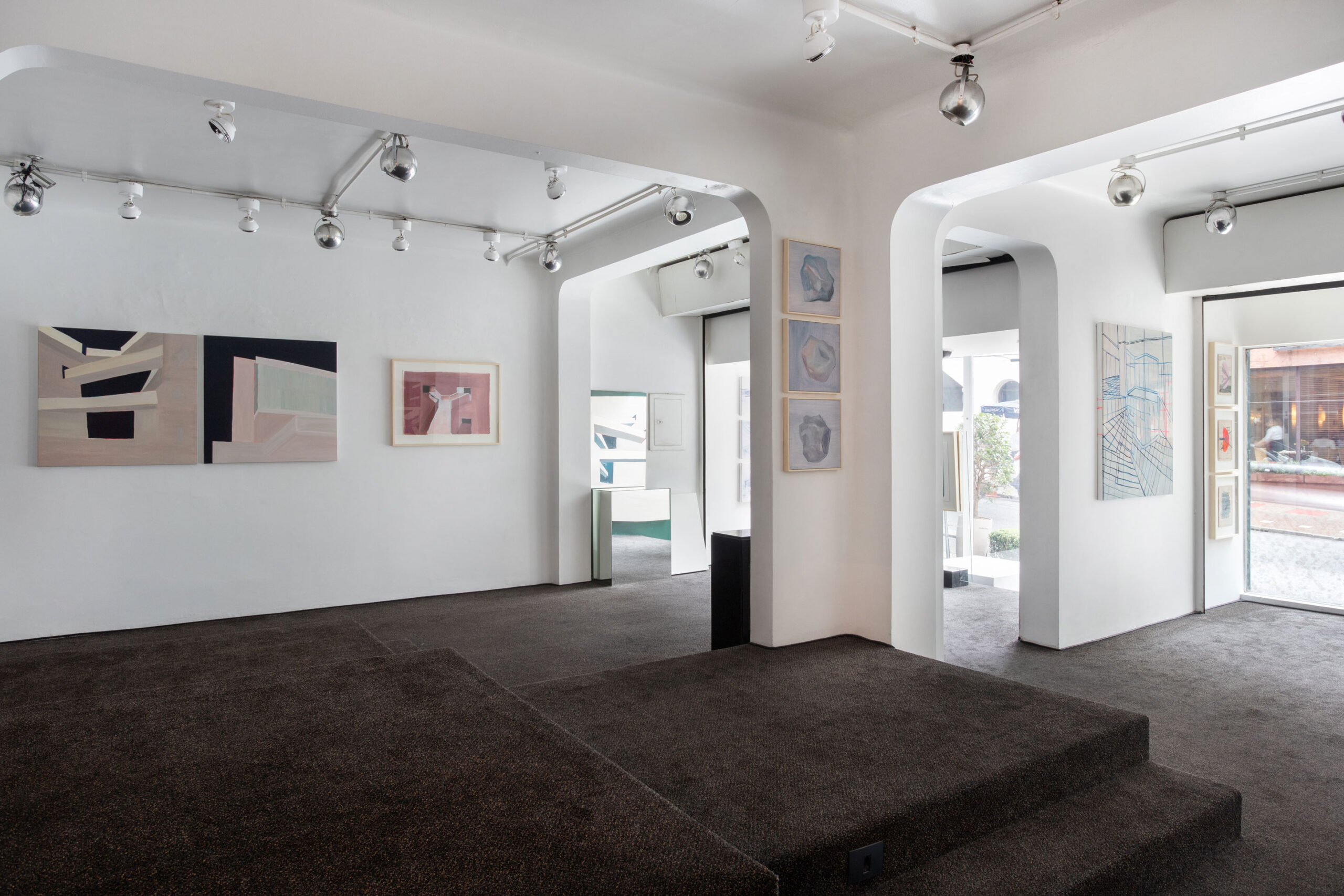
But why choose to talk about the architectures of Latin American modernity today. And why in New York? Why does Levinton choose to do it in this gallery of neo-Renaissance, or more specifically, neo-Georgian architecture, in a consulate whose rooms express classical ideals and stylistic revivals born of the whims of wealthy families? Something jars, and that jarring makes this contrast all the more interesting. Two overlapping paradigms are housed in this space: the simplicity of forms in her paintings contrasts with the heaviness of the embassy’s Doric columns and with the parquet and moldings that corset her paintings. Levinton’s paintings work as an apologia for synthetic architectural forms freed from the yoke of functionality, but the architecture of the building that contains them suggests something else. With great vivaciousness, Levinton unfailingly draws out of the plane the forms she believes in, while setting them in dialogue with each other like distant sounds, echoes of the south that reach us buzzing and layered, yet with conviction, amid the incessant din of the city.
Cildo Meireles, when asked by an Argentine journalist why he had not yet had a retrospective in Buenos Aires but had in New York, the Carioca artist replied: We are Latin Americans; we only meet in New York. Distance often makes us connect with traits of identity we would never have acknowledged in our place of origin. Diasporas do not only involve geographical distance; they allow us to gaze on the same thing yet see something else. Levinton’s work moves beyond the progressive modern gaze to salvage the spirit of aspiration that animated the project, while still complexifying, criticizing, and exposing its ambiguity. As Meireles suggests, this exhibition in New York offers us a lens on the sometimes contradictory and multidirectional encounters that have shaped what we are wont to call ‘Latin American modern architecture.’
Josefina Barcia
PICTURES